
Happy Galentine’s Day: Why Female Friendships Are Complicated—and How to Build the Ones That Last
Galentine’s Day started as a fictional holiday created by Parks and Recreation character Leslie Knope—a hard-working optimist with big vision who always lifts up the women around her. What began as a TV joke has become a real-life tradition, typically celebrated on February 13th with brunch, laughter, and a whole lot of love for our gal pals.
Galentine’s Day is one of my favorite holidays of the year—because I now have incredible female friendships in my life.
But that wasn’t always the case.
And if we’re being honest…
female friendships don’t always come easy.
Female Friendships Can Hurt (Storytime)
When I was in middle school in the 1980s, my school hosted a big Valentine’s Day dance. I wore a blue taffeta dress with matching shoes and proudly walked in with my date, Bobby. I remember thinking, this is our moment—especially when the DJ started playing “Open Arms” by Journey.
Except… Bobby disappeared.
I later learned that a girl I thought was my friend—a frenemy—had paid him to take me to the dance and then break up with me there. I was crushed. While Bobby broke my heart, the deeper wound came from another girl going to such cruel lengths to make me feel worthless.
It felt like a scene straight out of Gossip Girl—except this was real life. My life.
It took time to rebuild trust in female friendships, but eventually I developed resilience, tools, and healthier expectations. Today, I have close friendships with women who show up with honesty, humor, and compassion—and I’ve learned a lot about how to make friends and how to be a friend.
And that’s what I want to share with you today.
Why Female Friendships Feel So Confusing
One of the reasons friendships feel so hard—for girls and women—is because many of us are operating under beliefs that were never true to begin with.
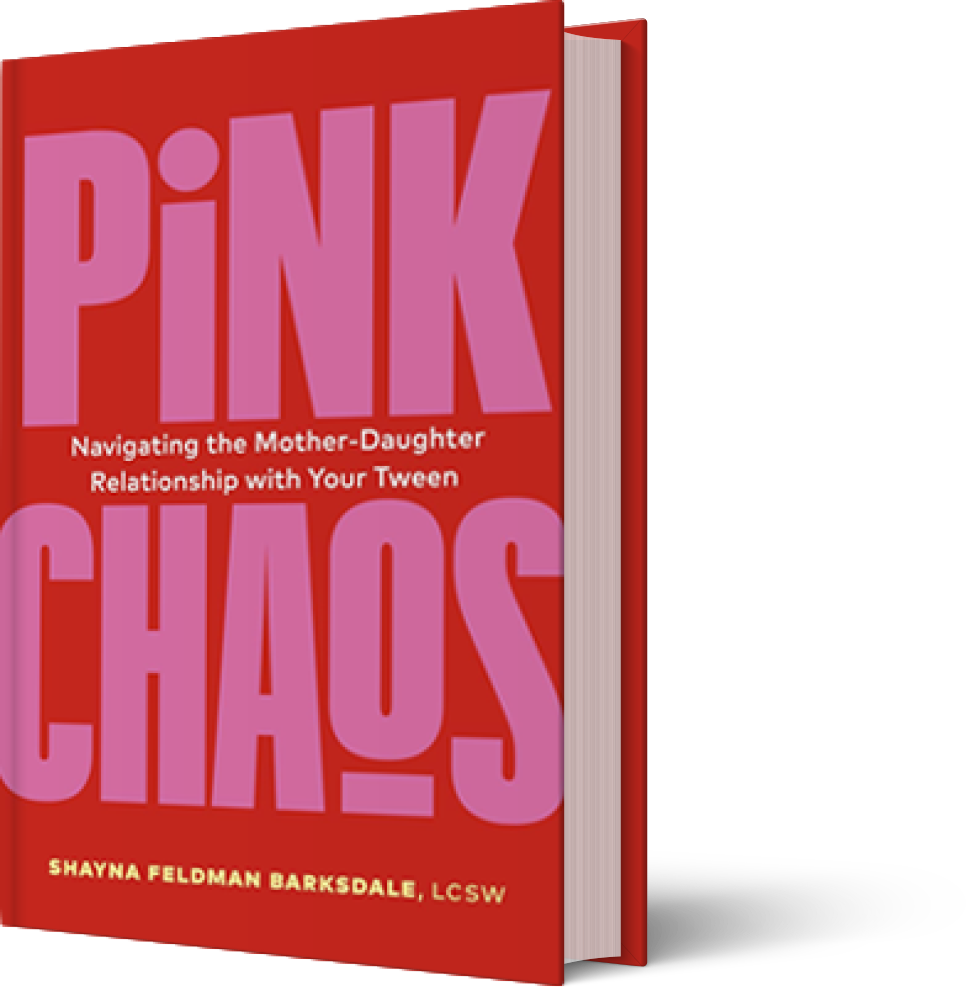
In Pink Chaos, I talk about The Eight Myths of Friendship—ideas we absorb early in life that quietly shape how we experience connection, conflict, and belonging.
Let’s talk about them.
Friendship Myths That Prevent Us From Finding
Our People
1. The Myth of the “Mean Girl”
There are no permanent “mean girls.” There are girls who make mistakes, act out of insecurity, or hurt others.
Labeling someone as “mean” shuts down curiosity, repair, and growth—and often leads to us labeling ourselves the same way.
Truth: Accountability leads to change. Shame does not.
Article on Why we need to Stop calling Girls Mean from SheKnows
2. The Myth of the Forever BFF
We’re sold the idea that real friendships last forever—from elementary school to adulthood, no breaks, no changes.
But friendships evolve. Some are for a season. Losing a friend doesn’t mean you failed—it often means you grew.
Truth: A friendship ending doesn’t erase the value of what it gave you.
3. The Myth That Status Equals Safety
Popularity can feel powerful—especially in tween and teen years—but status doesn’t equal kindness, loyalty, or emotional safety.
Many girls stay quiet or tolerate hurtful behavior because they’re afraid of losing their place socially.
Truth: A healthy friendship never requires you to shrink.
4. The Myth That You Should Always Feel Happy with Your Friends
Movies, social media, and TV portray friendships as nonstop laughter and support.
Real friendships include misunderstandings, jealousy, awkward moments, and repair. Discomfort doesn’t mean failure—it means you’re human.
Truth: Healthy friendships allow space for conflict and repair.
5. The Myth That You Should Always Have Close Friends
There will be seasons where you feel lonely, disconnected, or “between” friendships. That’s true for tweens, teens, and adults alike.
Truth: Loneliness is a signal—not a sentence.
6. The Myth That Parents Should Protect Daughters from All Friendship Pain
When your daughter gets hurt, the instinct is to fix it, warn her, or shield her from future pain.
But resilience is built when girls learn they can survive disappointment—with support, not rescue.
Truth: Don’t be her bestie. Be her safe place while she finds one.
7. The Myth of “Loose Lips Sink Ships”
Yes—gossip can hurt friendships. But expecting tweens or teens to have adult-level discretion isn’t realistic.
The real skill is learning who to talk to and how to talk about hard things.
Truth: Talking isn’t the problem—unsafe sharing is.
8. The Myth of the Mother/Daughter BFF
A close relationship with your daughter is beautiful—but she should never be responsible for your emotional needs.
Girls need peers. Moms need peers. Strong attachment and healthy boundaries can coexist.
Truth: Don’t be your daughter’s bestie—help her find one (and find one for yourself, too).
What Galentine’s Day Is Really About
Galentine’s Day isn’t about pretending friendships are perfect.
It’s about honoring connection as it actually is—messy, meaningful, and deeply human.
When we release friendship myths, we create space for:
-
healthier expectations
-
less shame when things get complicated
-
better communication
-
deeper, more authentic relationships
That’s what we want for ourselves—and for the girls we’re raising.
Favorite February Art Activities for Galentine’s Day
💌 Make a Valentine for Yourself
Create a self-love Valentine using words you long to hear. Affirmations matter—especially when Valentine’s Day brings up shame gremlins about not having a partner.
✍️ Write a Love Letter to Yourself
Yes, it’s corny. And yes—it works.
Write a letter to the version of you who felt left out, replaced, or “too much.” Tell her what you needed to hear back then. Then keep it somewhere you’ll find it later. Try writing to your younger self or future self.
Create a Galentine’s Box (Self-Love in a Box)
Create a Galentine’s Box for yourself or your bestie—think self-love in a box vibes. Fill it with your favorite comfort items and use all five senses.
Include:
-
Sight: a photo, quote, or affirmation
-
Sound: a favorite song, playlist, or lyric
-
Smell: a candle, lotion, or scent you love
-
Touch: something soft, cozy, or grounding, even your favorite nail polish can create a moment of comfort
-
Taste: a favorite treat or sour candy to ease anxiety
Add a few kind notes to yourself, like:
-
“You don’t have to be perfect to be loved.”
-
“Your feelings make sense.”
-
“Your people will find you.”
Use your Galentine’s Box on hard days, after friendship drama, or anytime you need comfort.
Final Thought
You will have disappointments—especially in friendships.
But the only person you can change is the one looking back at you in the mirror.
To have a bestie, you have to be a bestie.
And don’t stop believing—you will find your people.
Happy Galentine’s Day 💗
Need Support Navigating Girl World?
If friendship drama, anxiety, or “mean girl” dynamics are showing up in your home, you don’t have to figure it out alone.
Austin Therapy for Girls specializes in supporting tween and teen girls (and their parents) through the emotional ups and downs of growing up—especially when friendships get complicated.
We offer:
-
Individual therapy for tweens and teens
-
Parent support and coaching
-
Group therapy focused on confidence, coping skills, and connection
Ready to get started? We have a new booking system that makes it so easy. https://atfg.janeapp.com/
Want More of This? Read
Pink Chaos
Pink Chaos: Navigating the Mother-Daughter Relationship is for parents who want practical tools (and a whole lot of compassion) for the tween and teen years—friendships, emotions, boundaries, and everything in between.
Grab your copy of Pink Chaos here:
https://www.amazon.com/s?k=Pink+Chaos+Navigating+the+Mother-Daughter+Relationship