Stranger Things & Tween Mental Health: How the Upside Down Mirrors Anxiety and Emotions
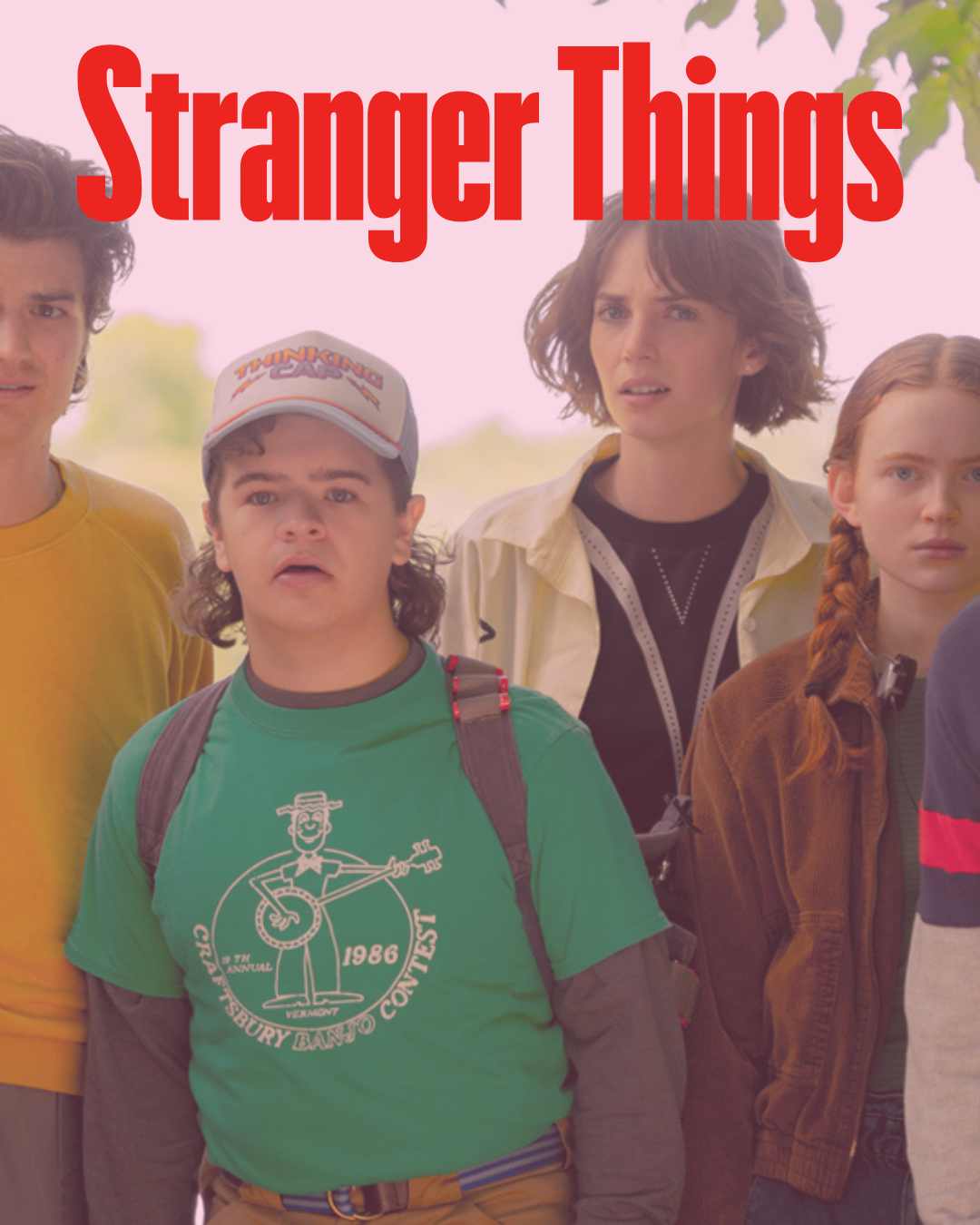
If you’ve ever watched Stranger Things, you know it’s more than a sci-fi horror show. It’s a story about friendship, bravery, grief, fear, belonging, and the invisible monsters that follow us into school hallways, bedrooms, and late-night overthinking spirals. As many of us (myself included!) dive into the first part of Season 5, I can’t help but think of Diana Ross’s “Upside Down” — can we make that a trend this time around?
Caregivers, this season is a perfect excuse to connect with your tween or teen on multiple levels. It’s cold outside, so grab a blanket and settle in for a binge-watch that might spark conversations you didn’t even know you needed.
For many of the tween and teen girls we see at Austin Therapy for Girls, Stranger Things feels almost too relatable — not because of the Demogorgons, but because the Upside Down looks a lot like what anxiety, depression, trauma, or big feelings can look like on the inside.
Here’s why this show is such a powerful metaphor for mental health — and how parents can use it as a conversation starter.
1. The “Upside Down” Is What It Feels Like When Your Brain Turns Against You
The Upside Down is dark, confusing, and full of things hiding in the shadows.
So is anxiety.
So is depression.
So is the spiral of overthinking that hits at midnight when your tween is worried about a friend situation, a rumor, a grade, or how they looked in that group photo.
The Upside Down is there, but most people can’t see it. Mental health struggles work the same way — invisible from the outside, but intensely real on the inside.
What you can say to your tween:
“Sometimes our feelings create an Upside Down version of the world. It doesn’t make you weak — it just means you need support to get back to your real world.”
2. Eleven’s Powers Are Like Kids Learning to Use Their Inner Strength
Eleven looks powerful, but her abilities come from pain — trauma, fear, loss, and a childhood that forced her to survive instead of be a kid.
So many girls look “strong” on the outside, but inside they’re exhausted from holding everything together.
The real power isn’t the telekinesis — it’s the healing, learning, and trusting herself again.
Just like our girls.
In therapy, kids build emotional “powers” when they learn skills like:
-
Setting boundaries
-
Using grounding and breathing tools
-
Asking for help instead of shutting down
-
Trusting their voice
-
Rewriting negative thought loops
3. Friendship Saves Everyone — But Friendship Is Also Messy
The kids don’t defeat monsters alone. They do it together — through conflict, loyalty, arguing, apologizing, and showing up even when it’s uncomfortable.
That’s tween and teen friendship in a nutshell.
They:
-
Misread texts
-
Feel left out
-
Get stuck in comparison
-
Have blow-ups, make-ups, and awkward “are we okay?” moments
And yet they grow through connection. Stranger Things reminds us that supportive friendships are one of the strongest protective factors against anxiety and depression.
4. Every Character Has a Monster — It Just Shows Up Differently
Every character in Stranger Things mirrors real mental health struggles:
-
Will battles fear and trauma he can’t explain.
-
Max carries survivor’s guilt and grief.
-
Nancy wrestles with pressure and perfectionism.
-
Steve hides insecurity behind charm.
-
Hopper is grieving while trying to parent.
This is Girl World, too.
Even the seemingly confident, straight-A, well-liked teen often has a monster they’re fighting that no one knows about.
5. The Adults Don’t Always “Get It” — And That’s Okay (If They Stay Curious)
In the show, the adults aren’t villains — they’re just confused. They don’t understand what’s really happening until the kids show them.
The same is true for parenting tweens.
You don’t have to understand everything your tween feels.
You just have to stay curious, connected, and present.
Try saying:
“I may not fully understand what your Upside Down feels like, but I’m here to figure it out with you.”
6. You Can Fight Big Monsters in Small Ways
The kids rarely have a perfect, well-thought-out plan — they take small steps with big courage.
Tweens can do the same.
Small tools make a huge difference:
-
Box breathing
-
Sensory grounding
-
Moving their body
-
Journaling or doodling their “monster”
-
Talking about a hard thing instead of hiding it
-
Doing one task instead of all of them
Small brave steps defeat big monsters.
7. There Is Always a Way Out — Even If It Looks Impossible
Stranger Things never wraps everything up perfectly — and neither does healing.
Growth is:
-
nonlinear
-
messy
-
full of setbacks
-
filled with “I thought I was done with this” moments
But every season ends with hope.
Mental health treatment does too.
Therapy isn’t about becoming perfect — it’s about building resilience, tools, and connection so your tween or teen feels capable of facing whatever monsters show up next.
Using Stranger Things to Talk About Mental Health With Your Tween or Teen
Try asking:
-
“What does your Upside Down feel like?”
-
“Which character do you relate to right now?”
-
“What monster are you fighting these days?”
These questions spark connection — and connection is one of the most powerful protective factors in Girl World.
If your tween or teen seems stuck in their own Upside Down, our therapists at Austin Therapy for Girls are here to help. We support girls and their families through anxiety, depression, friendship struggles, perfectionism, and all the real-life monsters that don’t show up on screen.
Ready for support?
Visit our Contact page to learn more about therapy for your tween or teen.